List of Metaverse Platforms & Virtual Worlds (2026)
A comprehensive, regularly updated list of 40+ metaverse platforms, virtual worlds, and spatial meeting tools — with a comparison table and a graveyard of platforms that shut down.
What is a metaverse platform?
A metaverse platform is a persistent virtual world where users can interact with each other in real time. Some require VR headsets, others run in a browser. They range from 2D spatial meeting tools to full 3D game worlds with creator economies. This page lists every major platform still active in 2026.
The word "metaverse" covers everything from browser-based meeting spaces to blockchain virtual worlds to massive multiplayer games. Since 2021, hundreds of metaverse platforms have launched — and many have already shut down. 2026 has been the most turbulent year yet: Meta announced it would end VR support for Horizon Worlds in March, then reversed the decision a day later after community backlash.
This list is organized by category and kept up to date. Last updated: July 2026.
Quick Comparison: Top Metaverse Platforms
| flat.social | Gather | VRChat | Roblox | Decentraland | Second Life | |
|---|---|---|---|---|---|---|
| Browser-based (no download) | ||||||
| VR required | No | No | Optional | Optional | No | No |
| Free tier | ||||||
| Spatial audio | ||||||
| Video chat | ||||||
| Best for | Teams & events | Virtual office | VR socializing | Gaming | Crypto/events | Socializing |
| Max users per space | ~50 | ~500 | ~80 | ~100 | ~100 | ~100 |
Best Metaverse Platform by Use Case (2026)
The right platform depends entirely on what you want to do:
- Team meetings & remote work — flat.social (browser, free tier), Gather, or Kumospace. Spatial audio makes meetings feel like a shared room instead of a video grid.
- Virtual events & concerts — Fortnite for mega-concerts, flat.social for business events and networking (no download for guests), VARK or Cluster for VTuber and anime-style shows.
- Entertainment & socializing — VRChat (largest social VR community), Second Life (deepest virtual society, still growing), Rec Room (most accessible across devices).
- Gaming & creating games — Roblox, Fortnite Creative (UEFN), Minecraft.
- Affordable / free options — flat.social, VRChat, Rec Room, Roblox, and Second Life all have genuinely usable free tiers; WorkAdventure is open source and can be self-hosted for free.
- No download, browser only — flat.social, SpatialChat, WorkAdventure, Topia, Voxels.
- Blockchain & virtual land — Decentraland or The Sandbox.
- Education — Minecraft Education, WorkAdventure, Topia.
- Enterprise & training — Microsoft Mesh (inside Teams), Virbela, ENGAGE XR.
Browser-Based Spatial Meeting Platforms
These platforms run directly in the browser — no download, no VR headset. They use spatial audio and video so conversations happen naturally based on proximity, just like at an in-person event.
flat.social
Browser-based · Free tier · Best for: team meetings, social events, networking
Flat.social is a spatial meeting platform where guests move around a customizable 2D space and talk with others nearby through proximity-based audio and video. Think of it as a cocktail party instead of a Zoom grid — multiple conversations happen at once, and joining one is as easy as walking up to someone.
Teams use it for virtual happy hours, all-hands meetings, and onboarding events. You can customize the space with your own images, embed games, and share media. No download required — guests join with a link.
Creatively Interactive & Full of Fun Features
Everything you need to bring people together online — from casual hangouts to polished presentations, all in one place.
Ready to try flat.social?
Try flat.social metaverse
Create a free Flat.social space and see what meetings feel like when people can actually move around.
Gather
Browser-based · Paid (free plan removed Sept 2025) · Best for: virtual offices, conferences
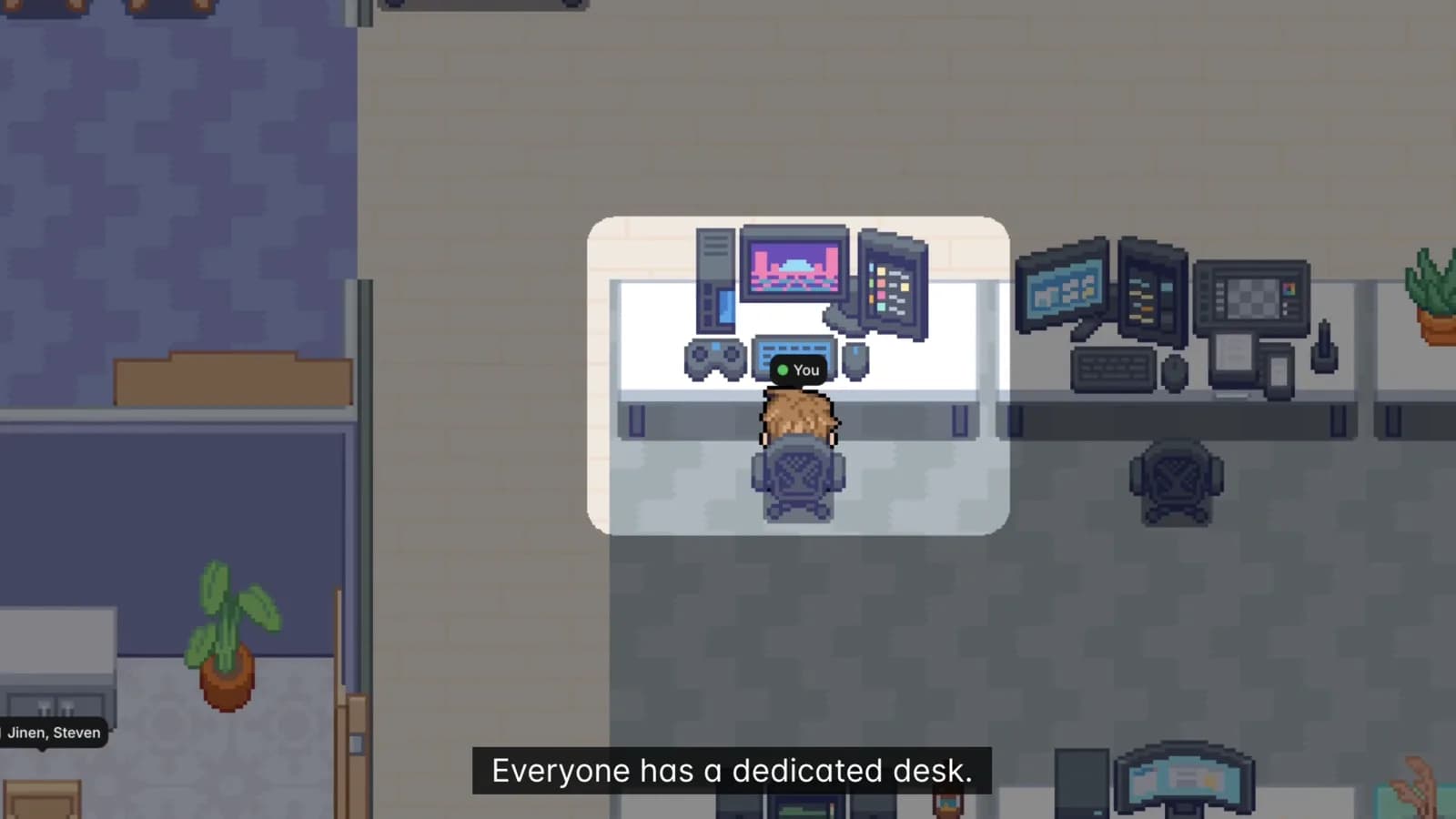
Gather is a 2D pixel-art virtual office where teams have persistent spaces they work from daily. Launched Gather 2.0 in September 2025 with a redesigned interface and removed the free tier. Supports up to 500 users per space.
It's one of the most established platforms in this category, popular with remote-first companies and academic conferences. Customizable maps let you design office layouts, event venues, or classroom environments.
SpatialChat
Browser-based · Freemium (5 users free) · Best for: virtual events, networking, education
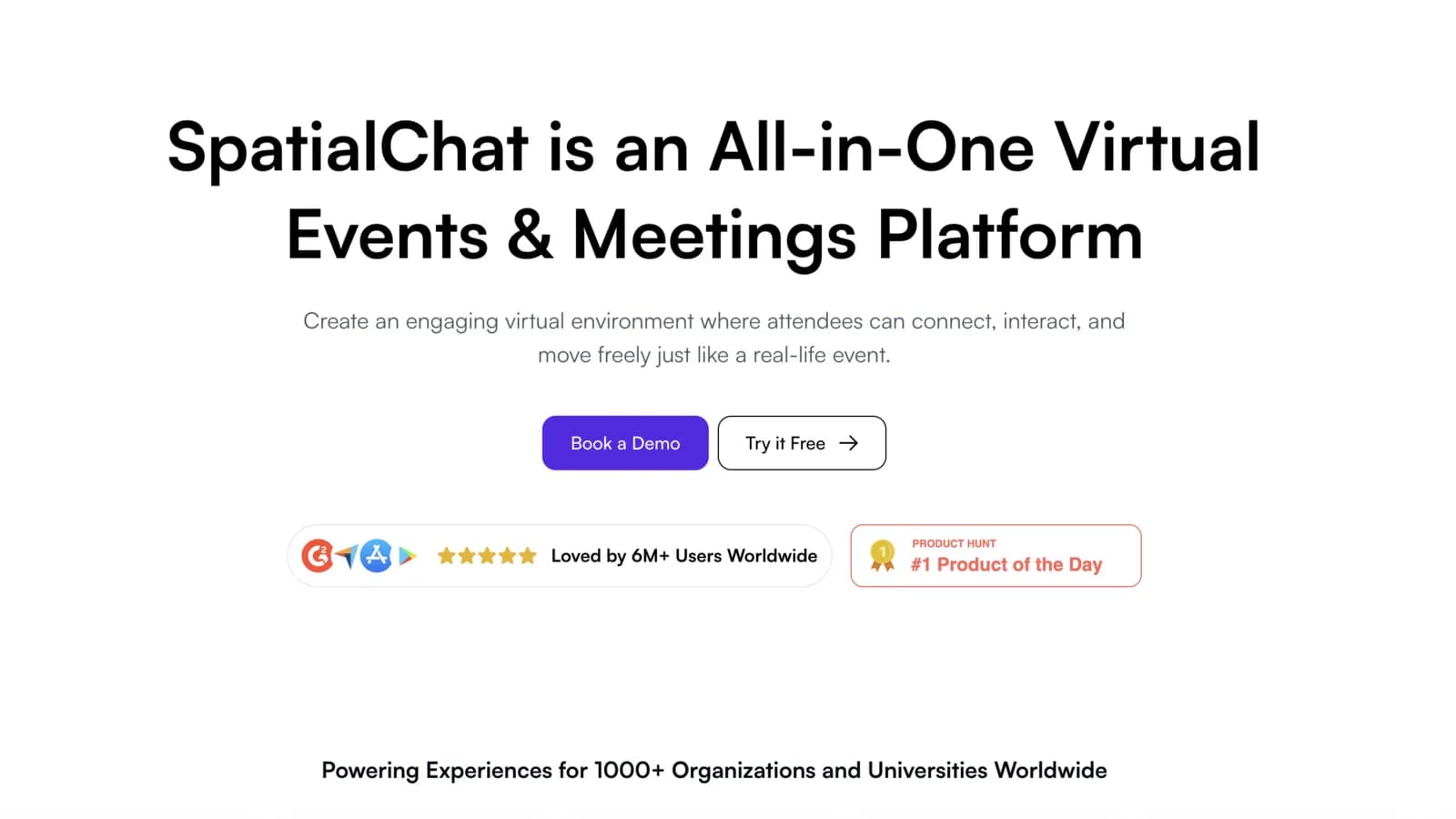
SpatialChat offers spatial video conversations where participants appear as movable video bubbles on a shared canvas. Supports up to 10,000 users in event mode, making it one of the highest-capacity browser-based platforms.
Popular with universities and conference organizers. Rated 4.7 on G2 with 140+ reviews.
Kumospace
Browser-based · Freemium · Best for: virtual offices, team meetings
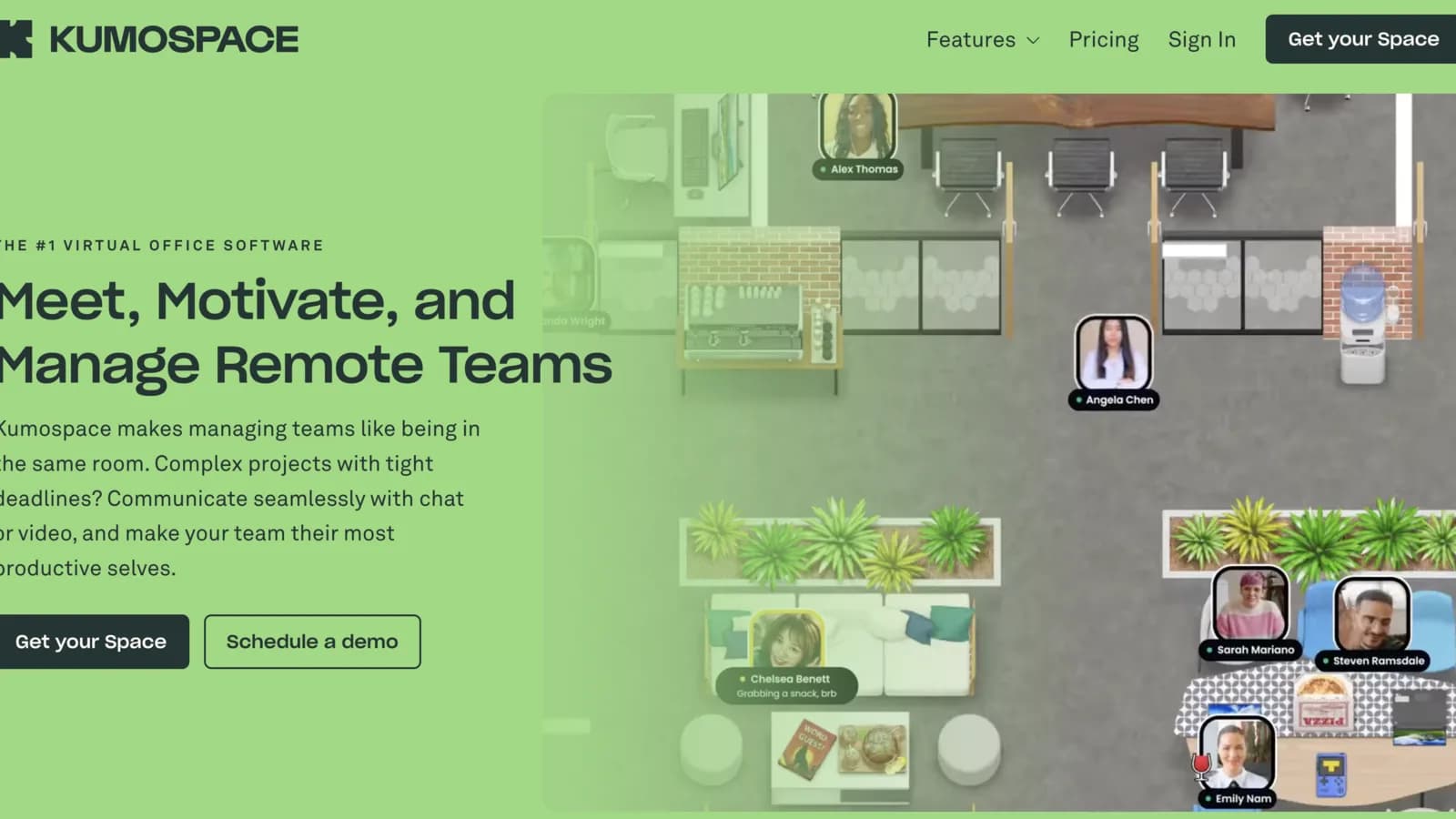
Kumospace combines a virtual office with spatial audio. Teams customize floor plans to mirror their real office layout. Claims 20,000+ teams use the platform. Supports up to ~100 users per space with integrations for Slack, Google Calendar, and other tools.
WorkAdventure
Browser-based · Free (open source, self-hosted) · Best for: virtual offices, events, education
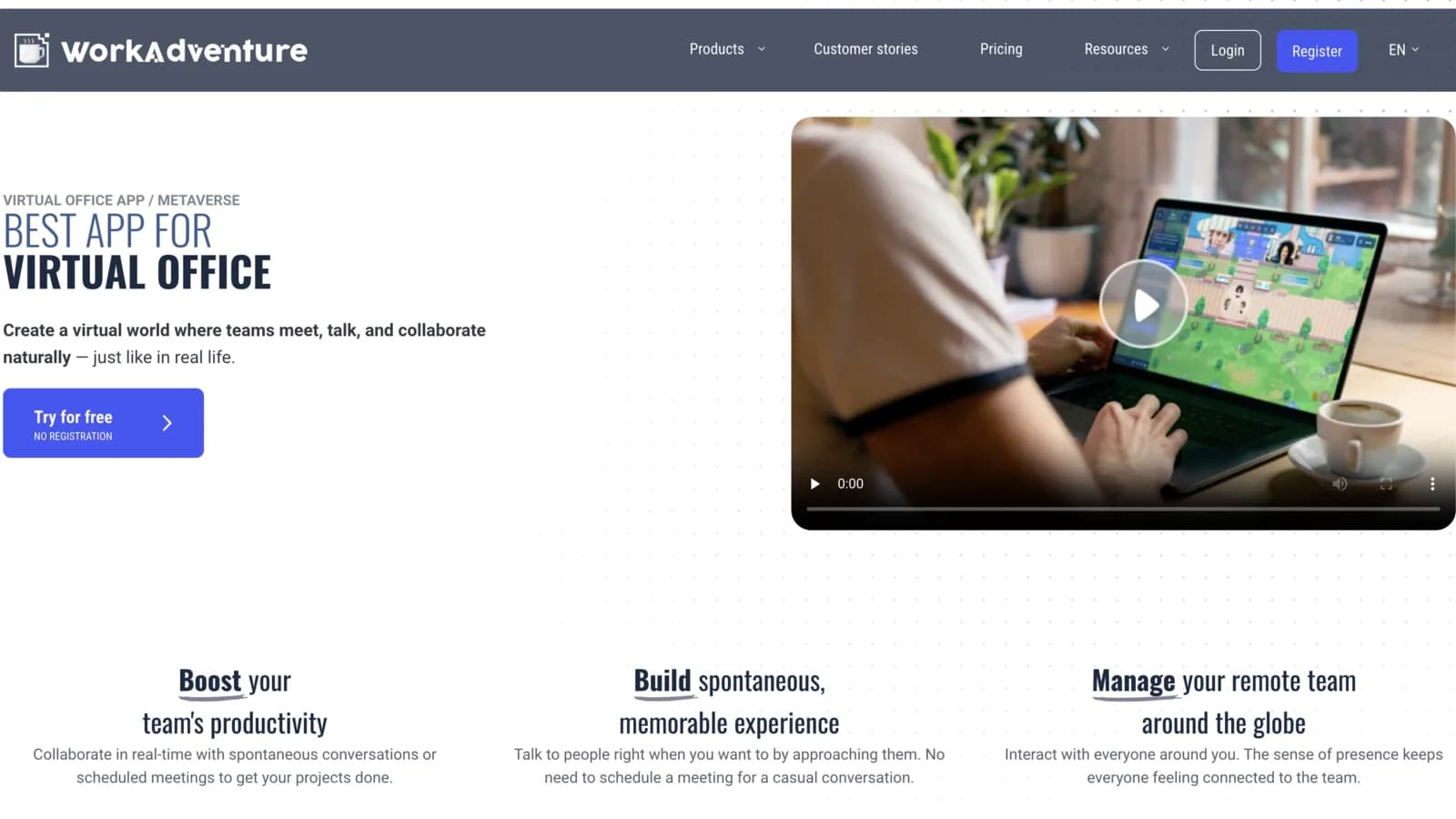
WorkAdventure is an open-source, GDPR-compliant platform with a 16-bit RPG art style. Users move pixel avatars through tiled maps with proximity-based video chat. Supports up to 600 users per space.
Popular in Europe due to its privacy focus. You can self-host it for free or use the managed cloud service. Currently on version 1.28.
SoWork
Browser-based · Free (up to 5 employees) · Best for: virtual offices, async/sync remote work
SoWork is an AI-powered virtual office with an AI assistant called "Sophia" that takes meeting notes and generates summaries. Supports up to 200 users per space. Focuses on bridging async and synchronous work for remote teams.
Remo
Browser-based · Freemium · Best for: virtual events, conferences, networking
Remo uses a table-based layout where attendees sit at virtual tables and move between them. Supports up to 1,000 users. Designed specifically for networking events and conferences rather than daily office use.
Other Browser-Based Platforms
- oVice — Japanese-founded virtual office used by 4,000+ companies including Toyota and Panasonic. Proximity-based audio in a 2D workspace. Free for up to 5 users. ovice.com
- Topia — Accessible 2D virtual worlds for events and education. Free up to 50 visitors, supports up to 2,000. topia.io
- Zep — Korean-origin 2D metaverse platform popular with companies and public institutions in Asia. zep.us
- HyHyve — GDPR-compliant platform for professional networking events. Up to 500 users. hyhyve.com
- Vket Cloud — Browser-based metaverse builder by Japanese company HIKKY (creators of Virtual Market). Publish virtual worlds accessible from any browser. cloud.vket.com
- Roam — Voice-first virtual office with dynamic spaces. ro.am
- Teamflow — Virtual office with video bubbles on floor plans. teamflowhq.com
- Sococo — Enterprise-grade virtual office acquired by IgniteTech. Up to 1,000+ users. sococo.com
- Frame VR — Browser-based 3D collaboration by Virbela. Optional VR support. framevr.io
Try a Browser-Based Virtual Space
flat.social lets you create a customizable virtual space for your team in seconds. No download, no VR headset — just a link.
Gaming Metaverses
The biggest metaverse platforms by user count are games. These platforms blur the line between gaming and social interaction — users create content, attend events, and hang out in persistent virtual worlds.
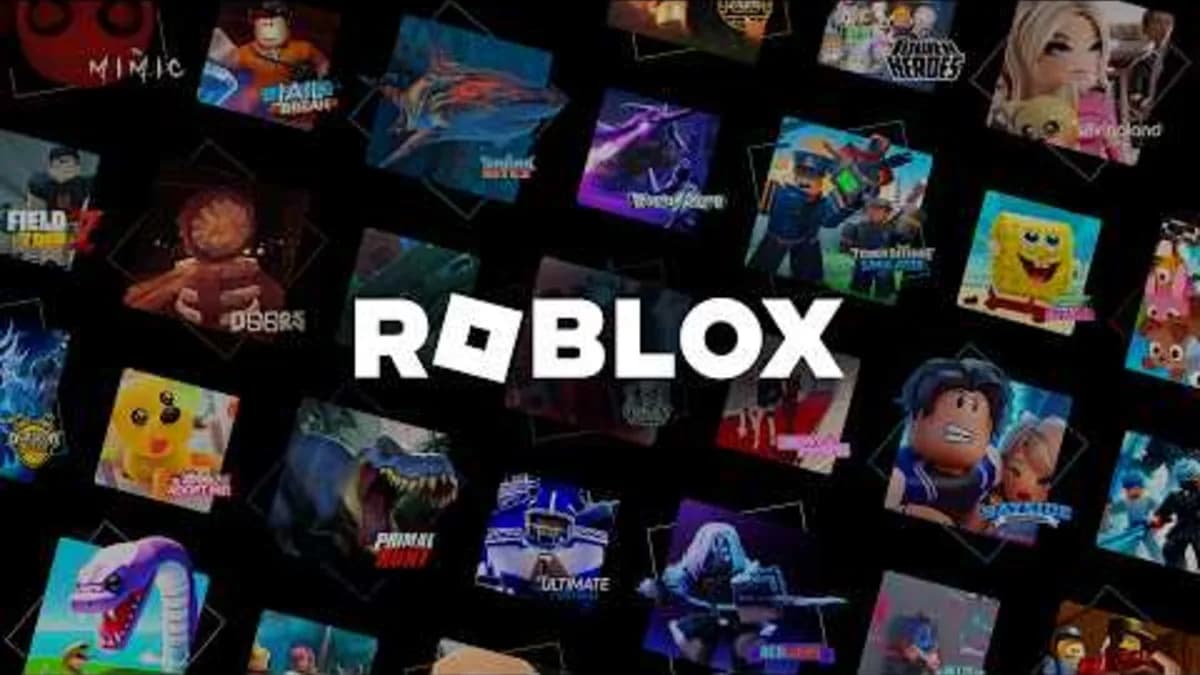
Roblox
App (multi-platform) · Free · 214 million monthly active users
Roblox is the largest user-generated content gaming platform in the world. Users create and play millions of experiences built with Roblox Studio using Lua scripting. It has its own virtual currency (Robux) and a massive creator economy.
Originally a kids' gaming platform, Roblox has evolved into a full social metaverse. Brands like Nike, Gucci, and Spotify have built experiences on it. More than half of all American children under 16 use Roblox.
Roblox supports optional VR through Meta Quest, and each server instance holds up to ~100 users.
Fortnite
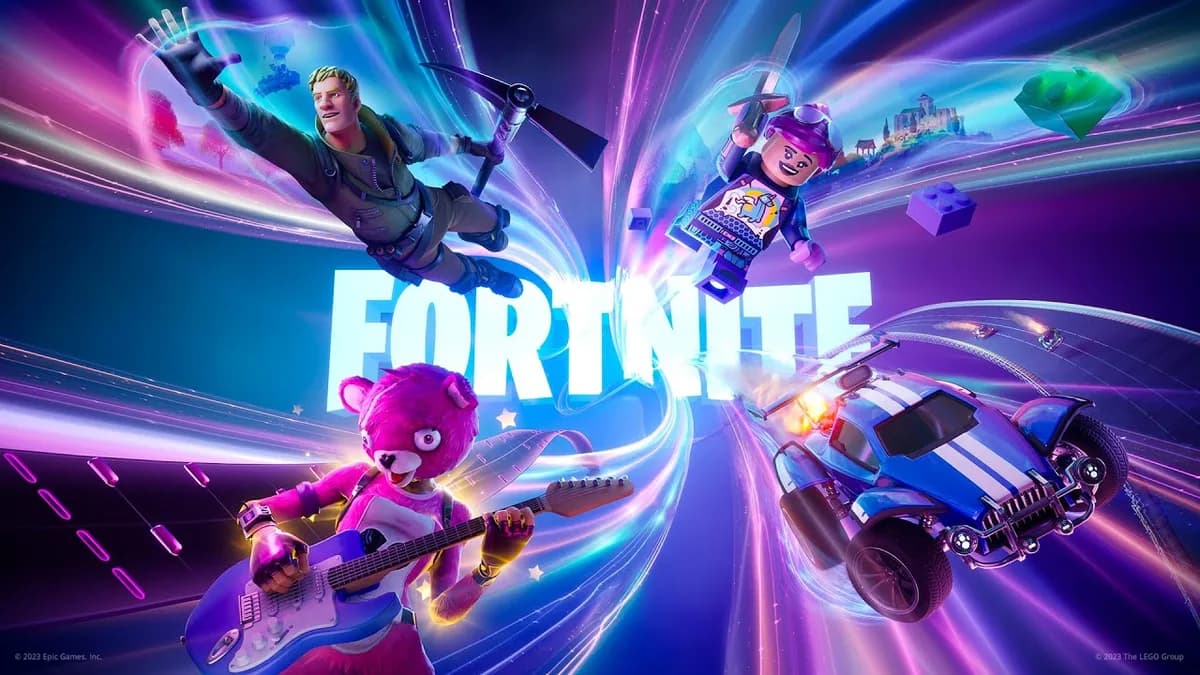
App (multi-platform) · Free · 236 million monthly active users
Fortnite started as a battle royale game but has become a full metaverse hub. Epic Games has hosted virtual concerts (Travis Scott, Ariana Grande, Marshmello), movie screenings, and brand experiences inside Fortnite.
Fortnite Creative lets users build their own maps and game modes. With Unreal Editor for Fortnite (UEFN), creators have near-professional game development tools. Epic is building toward a vision of interconnected virtual experiences.
Minecraft
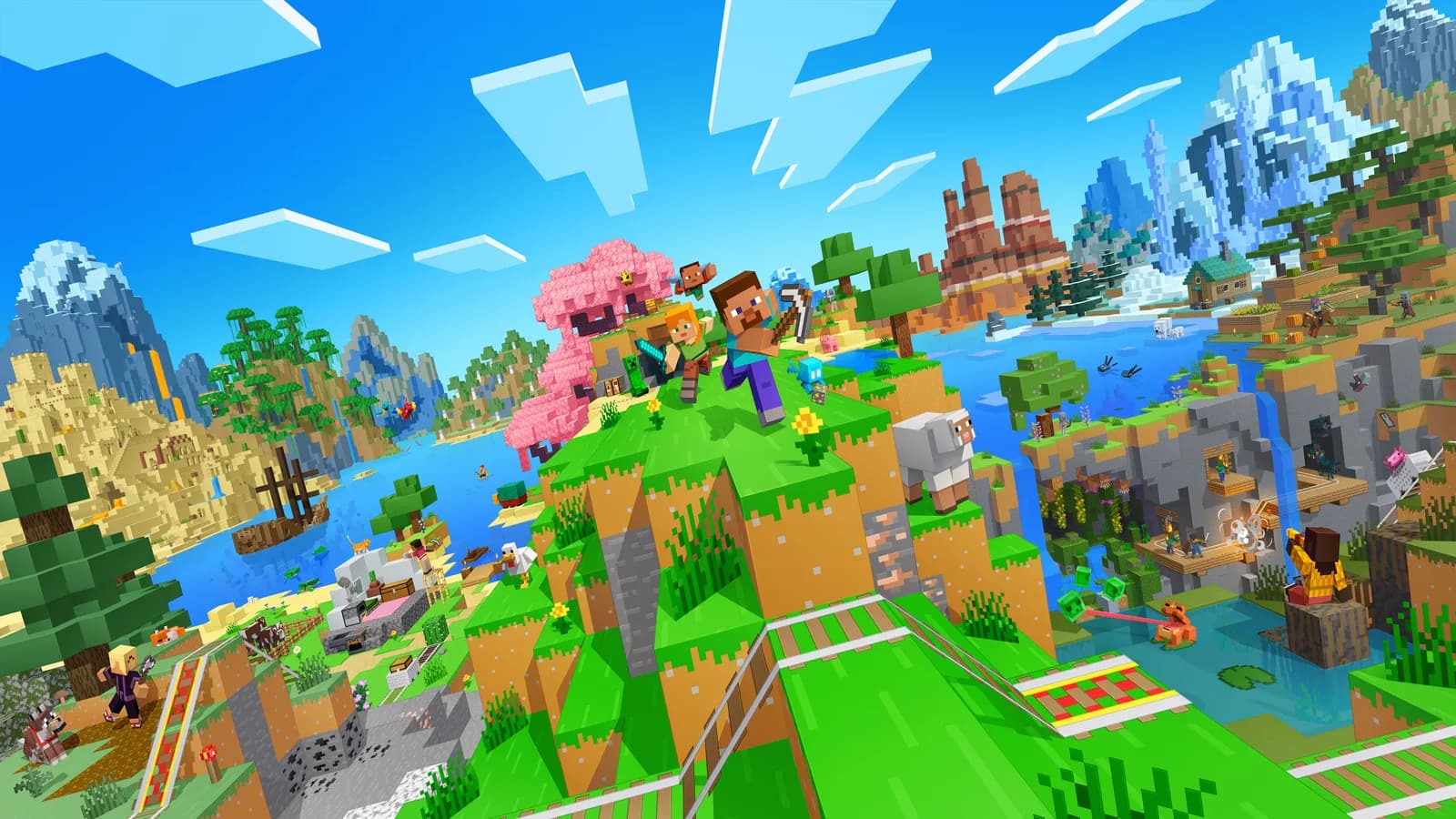
App (multi-platform) · Paid · 166 million monthly active users
Minecraft is the original sandbox virtual world. Players build, explore, and survive in procedurally generated block worlds. Multiplayer servers host everything from survival games to full recreations of real-world cities.
Microsoft (the owner since 2014) has pushed Minecraft into education with Minecraft Education Edition, used in thousands of schools. The game supports optional VR and has one of the most active modding communities in gaming.
Spatial.io
Browser + App · Free · Best for: UGC gaming, brand experiences
Spatial pivoted from VR meetings to a Unity-powered UGC gaming platform. Creators publish multiplayer games across web, mobile, and VR. Claims 500,000+ creators, 2 million unique users, and 127 million hours spent on the platform.

VR Social Platforms
These platforms are built for immersive social experiences. Most support both VR headsets and desktop mode, but the experience is designed around being "inside" a virtual world.
VRChat
Desktop app (Steam/Meta Quest) · Free · VR optional (desktop mode available)
VRChat is the largest dedicated social VR platform. Users create and share custom worlds and avatars using Unity. It has a thriving community of creators and hosts events ranging from comedy shows to dance parties.
Peak concurrent users regularly exceed 136,000. In 2025, VRChat introduced "Reality Blend" mixed reality features. About 43,000 users are online on Steam at any given time.
The platform is known for its creative freedom — avatars range from anime characters to abstract art to full-body puppets.
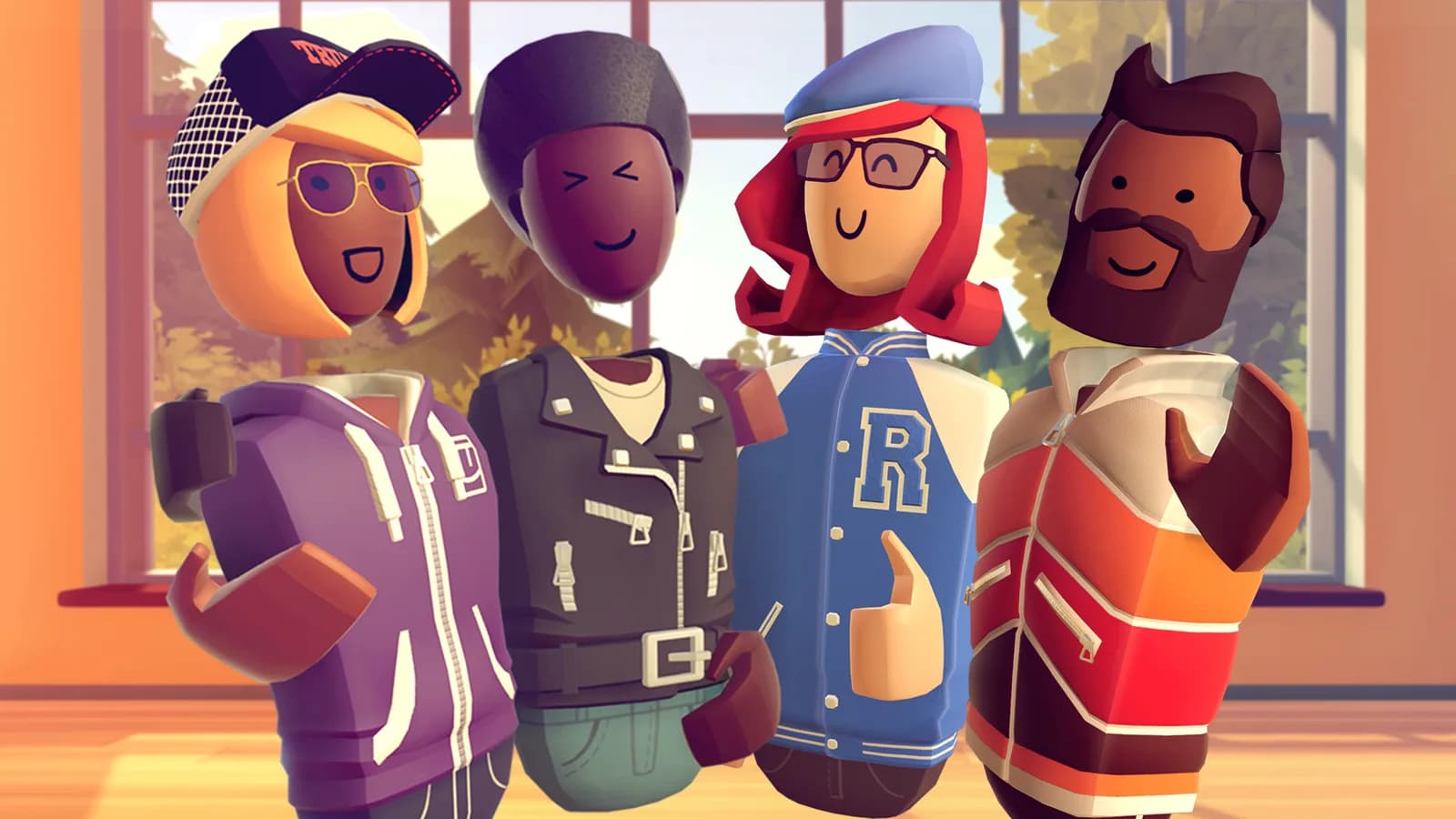
Rec Room
App (multi-platform) · Free · VR optional (75%+ users play without VR)
Rec Room is a cross-platform social gaming space where users create and play games together. It's more accessible than VRChat — available on PlayStation, Xbox, iOS, Android, and PC in addition to VR headsets.
3+ million monthly VR users, but the majority play on flat screens. The creator economy lets users monetize their rooms and games.
Resonite
Desktop app · Free · VR optional
Resonite is the spiritual successor to NeosVR (which shut down in 2025). It's a highly technical social VR platform aimed at creators and developers. Users can build and program interactive worlds in real time, collaboratively, inside VR.
Smaller community than VRChat but much deeper creation tools. Active development continues through early 2026.
Other VR Social Platforms
- Horizon Worlds (Meta) — Meta's flagship social platform is in major transition. In March 2026 Meta announced it would end VR support entirely, then reversed the decision a day later after community backlash — VR access continues "for the foreseeable future" while development focus shifts to mobile. horizon.meta.com
- ENGAGE XR — Enterprise/education VR platform for immersive training and events. Publicly traded on the London Stock Exchange. engagevr.io
- Overte — Free, open-source social VR platform run by a German nonprofit. Forked from High Fidelity. overte.org
Blockchain Metaverses
These virtual worlds run on blockchain technology. Users can buy virtual land, trade NFTs, and participate in decentralized governance. Activity levels vary widely — some have thriving event scenes, others have mostly speculative land markets.
Decentraland
Browser + desktop client · Free to explore · Best for: events, brand activations, virtual real estate
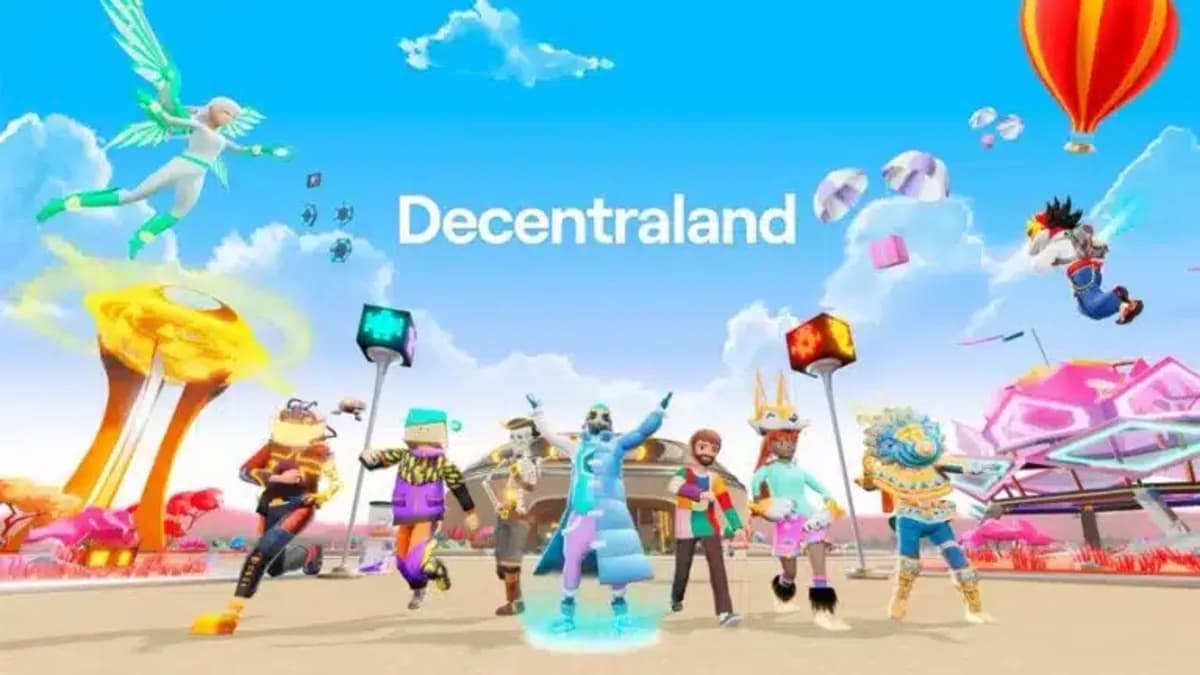
Decentraland is an Ethereum-based virtual world where users can buy, develop, and monetize virtual land parcels. It launched its 2.0 desktop client in late 2024 with improved graphics and performance.
The platform hosts regular events, brand activations (Samsung, Sotheby's, JP Morgan have all built there), and community gatherings. Governance happens through a DAO. About 8,000 daily active users.
The Sandbox
Desktop client + partial browser · Free to play · Best for: gaming, creator economy, brand experiences
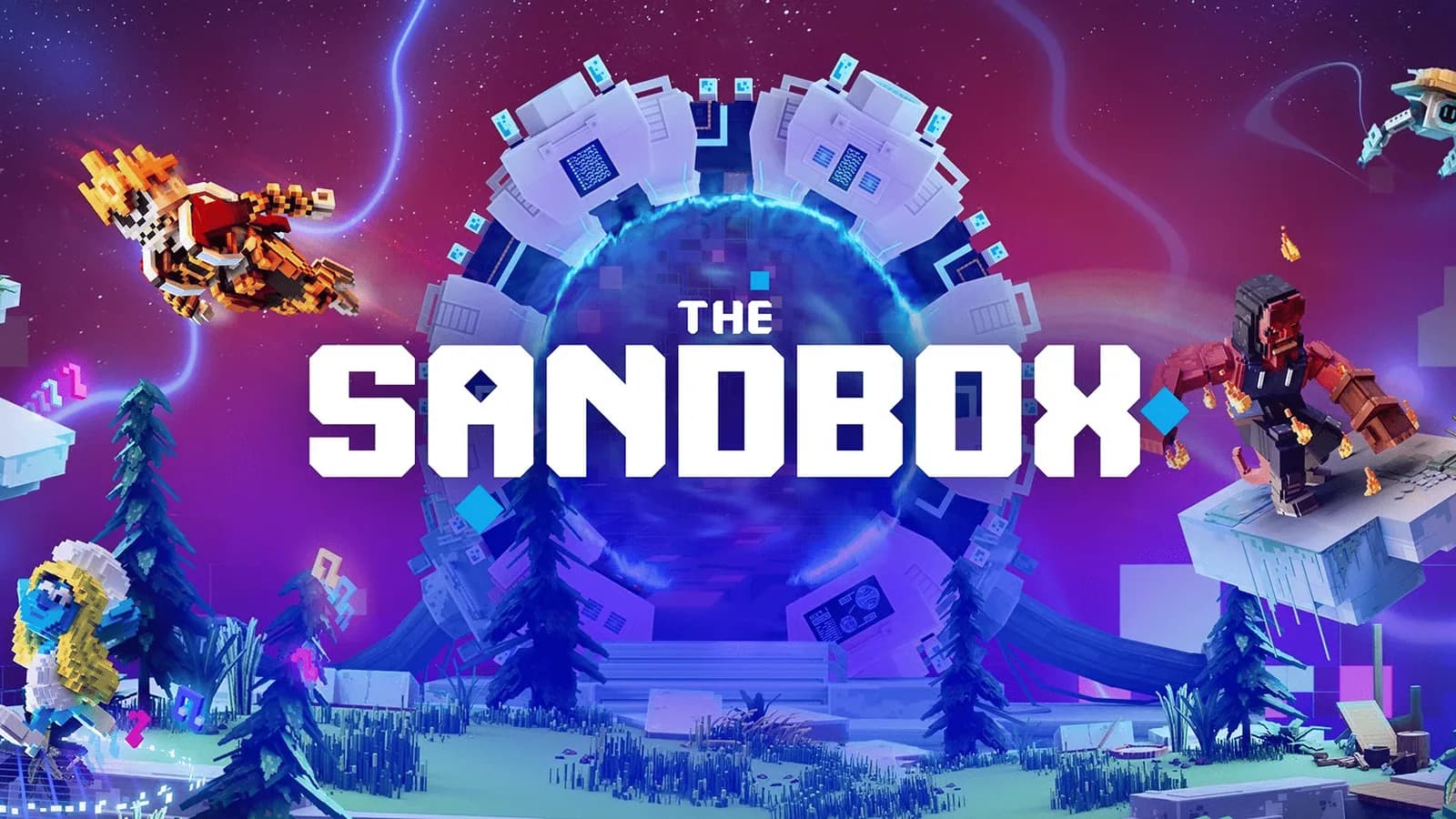
The Sandbox is a voxel-based blockchain gaming metaverse. Users create games and experiences using VoxEdit (3D modeling) and Game Maker (no-code game builder). The SAND token powers the in-game economy.
Season 7 launched in February 2026 with browser-based games for the first time. Claims 5.8 million registered accounts. Major brand partnerships include Adidas, Gucci, and Warner Music.
Other Blockchain Metaverses
- Somnium Space — VR-first blockchain world with persistent land and AI features. Smallest of the major crypto metaverses but has the highest average transaction value. somniumspace.com
- Voxels (formerly Cryptovoxels) — Browser-based voxel world on Ethereum, known for NFT art galleries. Reduced activity but still operational. voxels.com
Classic Virtual Worlds
These platforms predate the "metaverse" hype by years (or decades). They proved that persistent virtual worlds could sustain large communities long before the term went mainstream.
Second Life
Desktop client · Free · 620,000 monthly active users (growing)
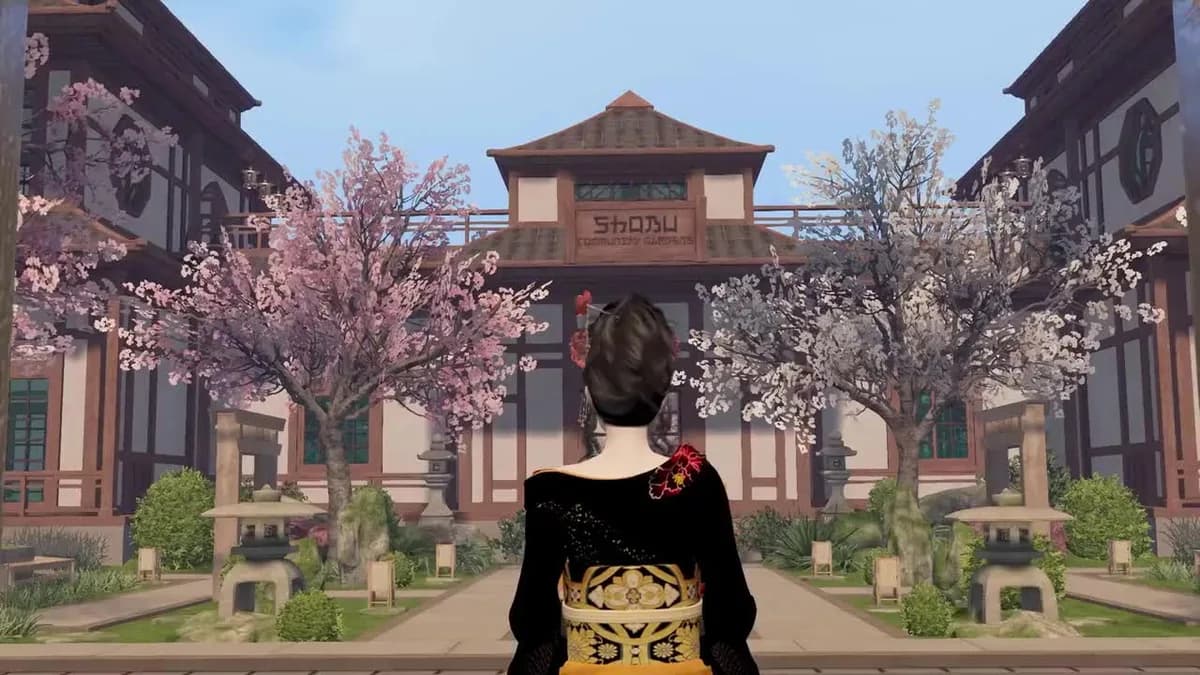
Second Life launched in 2003 and is still going strong. Users create avatars, build homes, run businesses, attend concerts, and socialize in a vast user-created world. It has its own economy with a currency (Linden Dollars) convertible to real money.
Remarkably, Second Life's user base has been growing — up from 500,000 MAU in 2024 to 620,000 in 2026. It remains the most mature and economically active virtual world.
Other Classic Virtual Worlds
- IMVU — Avatar-based social platform focused on fashion, chat rooms, and socializing. 7 million MAU, though declining from peak. Web and app versions. imvu.com
- Avakin Life — Mobile-first 3D virtual world with avatar customization. Launched on PC via Steam in August 2025. Popular with teens and young adults. avakinlife.com
- Sinespace — Unity-based virtual world with user-created content. Powers the Breakroom enterprise platform. sine.space
Enterprise Metaverse Platforms
These platforms target businesses rather than consumers. They're used for virtual offices, corporate training, and large-scale events.
Microsoft Mesh
Integrated into Microsoft Teams · Part of M365 licensing · Best for: enterprise meetings, immersive events
Microsoft Mesh brings 3D collaborative experiences directly into Teams. Users can join as avatars in immersive 3D environments or spatial 2D views. Immersive Events in Teams launched December 2025, supporting larger gatherings.
Limited to ~16 users in immersive mode. Requires Teams app — not browser-based.
Other Enterprise Platforms
- Virbela — Enterprise-grade 3D virtual campus for meetings, events, and remote work. Supports 5,000+ users. virbela.com
- Breakroom — AI-powered virtual training and simulation platform. Redesigned VR interface in 2025. breakroom.net
Japanese Metaverses
Japan has a thriving metaverse ecosystem driven by VTuber culture, anime aesthetics, and mobile-first design. Japanese users now make up the largest national group on VRChat (~27.5% of users), and several homegrown platforms have built significant audiences.
Cluster
App (PC, mobile, VR) · Free · Best for: virtual events, socializing
Cluster is Japan's largest homegrown metaverse platform. Originally focused on large-scale virtual events (concerts, meetups, corporate gatherings), it has evolved into a full social metaverse with 2,000+ user-created games and over 2 million app downloads.
Cross-play across smartphone, PC, and Meta Quest. Popular with Japanese companies for virtual events and with users for avatar-based socializing.
Virtual Market (Vket)
Runs on VRChat · Free to attend · Best for: virtual shopping, avatar assets, brand exhibitions
Virtual Market is the world's largest VR event, holding a Guinness World Record for most booths at a virtual market. Created by Japanese company HIKKY, it has attracted over 10 million cumulative visitors.
Vket 2025 Summer drew 1.35 million visitors. Vket 2026 Summer is scheduled for July 2026 with a real-world companion event in Akihabara, Tokyo. Creators sell 3D avatars, digital goods, and physical products.
REALITY
Mobile app (iOS, Android) · Free · Best for: avatar live streaming, VTuber-style content
REALITY is a mobile-first avatar live-streaming app by GREE. Users create anime-style 3D avatars and stream using phone camera face-tracking. Over 17 million downloads worldwide, with 80% of users outside Japan.
Features include collaborative streams (up to 4 people), room customization, and a virtual gifting economy. Launched REALITY Avatar 2.0 in 2024 with improved graphics.
Other Japanese Platforms
- STYLY — Spatial computing platform for AR/VR art installations and location-based experiences. Covers 6 Japanese cities. 100,000+ creators. Partnered with KDDI for AR exhibitions. styly.cc
- REV WORLDS — Smartphone metaverse app by Isetan Mitsukoshi department store. Features a virtual recreation of Shinjuku with virtual shops and brand exhibitions. rev-worlds.com
- VARK — VR concert platform specializing in VTuber and virtual artist performances. Available on Meta Quest and mobile. vark.co.jp
Metaverse Graveyard: Platforms That Shut Down
The metaverse hype of 2021-2022 led to massive investment — and equally massive pullbacks. Here are the notable platforms and initiatives that didn't survive.
AltspaceVR (Microsoft) — Shut down March 2023
Microsoft acquired AltspaceVR in 2017 as its entry into social VR. After investing in VR events and meetups for years, Microsoft pulled the plug in March 2023, redirecting users to Microsoft Mesh. The community was given little notice and many user-created worlds were lost.
Mozilla Hubs — Shut down May 2024
Mozilla's browser-based social VR platform was one of the most accessible 3D virtual worlds — no download required. Mozilla ended official support in May 2024, though a community-maintained open-source fork continues under limited development.
NeosVR — Shut down August 2025
NeosVR was beloved by the technical VR community for its in-world programming tools. Cloud services were shut down and the platform was delisted from Steam in August 2025. Its spiritual successor, Resonite, was built by community members and continues active development.
Horizon Workrooms (Meta) — Discontinued February 2026
Meta's VR meeting room product was discontinued as part of a broader retreat from VR. Meta cut Reality Labs' budget by 30%, laid off 1,500 employees, and closed three game studios (Armature, Twisted Pixel, Sanzaru) in early 2026.
Horizon Worlds itself came within a day of joining this graveyard: in March 2026 Meta announced VR support would end (with removal from Quest headsets planned for June 15), then backtracked after fans pushed back. VR access remains "for the foreseeable future," but the direction of travel is mobile-first.
Other Shutdowns & Pullbacks
- DOOR (NTT) — Japanese browser-based metaverse platform by NTT. Service ended March 2025.
- Wonder.me — Spatial video chat platform. Shut down ~2024, recommended users migrate to Kumospace.
- Disney Metaverse Division — Disney's entire metaverse team was dissolved in 2023.
- Microsoft Industrial Metaverse Team — Disbanded in 2023.
- Walmart Metaverse (Roblox) — Walmart's Roblox experiences were wound down in 2023.
- Meta Quest for Business — Enterprise Quest/Horizon sales ended February 2026.
- Supernatural (Meta) — VR fitness app moved to maintenance mode with a skeleton crew in 2025.
Metaverse FAQ
Build a Virtual Space for Your Team
Remote teams use flat.social to organise the most creative meetings & social events. No download — create a space in seconds.